

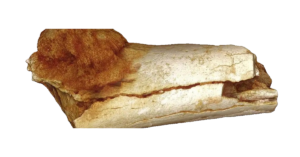
 Throughout history, cancer has affected both humans and animals. From ancient times, people have documented instances of cancer. Evidence of cancer can be found in fossilized bone tumors, mummified remains from ancient Egypt, and ancient writings. Mummies have shown signs of bone cancer known as osteosarcoma, as well as damage to the skull typical of head and neck cancers.
The oldest known description of cancer, even though the term “Cancer” wasn’t used, dates back to around 3000 BC in Egypt. This description is found in the Edwin Smith Papyrus, which is a portion of an ancient Egyptian textbook on trauma surgery. It details eight cases of breast tumors or ulcers that were treated through cauterization using a tool called a fire drill. The text concludes bleakly, stating, “There is no treatment” for the disease.
The word “Cancer” originated from the Greek physician Hippocrates (460-370 BC), often known as the “Father of Medicine.” Hippocrates used the terms “Carcinos” and “Carcinoma” to describe tumors that either formed ulcers or did not.
 The word “Cancer” originated from the Greek physician Hippocrates (460-370 BC), often known as the “Father of Medicine.” Hippocrates used the terms “Carcinos” and “Carcinoma” to describe tumors that either formed ulcers or did not.
In Greek, these words refer to a crab, likely because the finger-like projections of cancerous growths reminded observers of the shape of a crab. The Roman physician Celsus (25 BC – 50 AD) later translated the Greek term to “Cancer,” the Latin word for crab. Galen (130-200 AD), another Greek physician, used the term “Oncos” (Greek for swelling) to describe tumors. While the crab analogy from Hippocrates and Celsus is still used to describe malignant tumors, Galen’s term is now part of the name for Cancer specialists known as Oncologists.
During the Renaissance, which started in the 15th century, scientists learned more about how the human body works. People like Galileo and Newton used a special way of studying things called the scientific method. This method helped them understand diseases better.
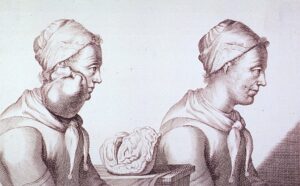
Around 1628, Harvey did autopsies, which are examinations of dead bodies, and found out how blood moves around the body. Before that, nobody knew exactly how it worked.
In 1761, Giovanni Morgagni from Padua was the first person to do something that we do all the time now. He studied bodies after they died to figure out what made them sick while they were alive. This was a big step in learning about cancer, which is the study of a disease that makes cells in the body grow in a harmful way.
A famous surgeon named John Hunter, who lived from 1728 to 1793, thought that some cancers could be treated with surgery. He explained how doctors could decide which cancers to remove. He said if a tumor, which is a lump of harmful cells, hadn’t spread and could be moved around, it was okay to take it out.
A hundred years later, anesthesia, which is medicine that makes you not feel pain, made surgery much easier. This allowed doctors to do big operations like removing entire breasts to treat cancer.
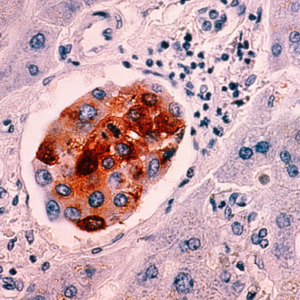 In the 19th century, scientists began studying cancer in a more detailed way using a special tool called a microscope. Rudolf Virchow, who is often called the father of cellular pathology, helped lay the groundwork for how we study cancer today. He figured out how to look at tiny parts of tissues under a microscope to understand what was wrong with them. This new method helped doctors understand how cancer damages the body, and it also made cancer surgery better.
When surgeons removed tissues from the body, they could send them to a pathologist, who would look at them under a microscope and give a precise diagnosis. This helped surgeons know if they had removed all the cancer during the operation.

Consult with our expert surgeon for more than 50+ diseases
Next Steps: