
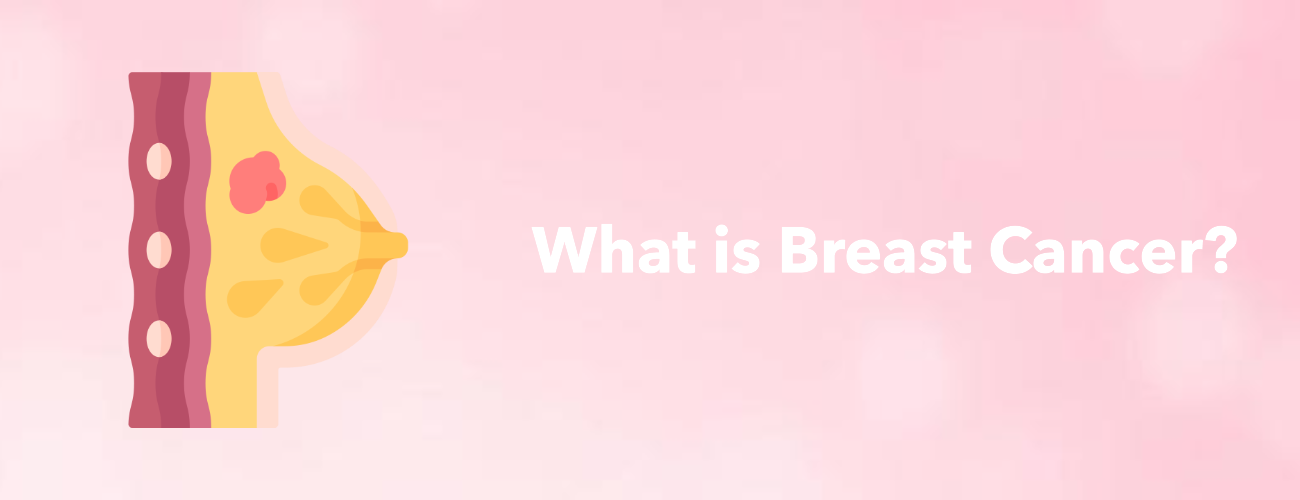
Cancer is a disease characterized by the uncontrolled growth and spread of abnormal cells in the body. Breast cancer specifically refers to cancer that forms in the cells of the breast. To understand breast cancer better, let’s first understand the basic structure of the breast.
How breast is structured?
A breast is made up of three main parts: Lobules, Ducts, and Connective Tissue.
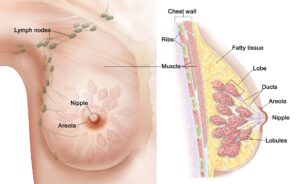
Lobules: These are the glands within the breast responsible for producing milk. They are often referred to as milk glands or milk-producing glands.
Ducts: These are the tubes or passages within the breast that carry milk from the lobules to the nipple during breastfeeding.
Connective Tissue: This tissue provides structural support to the breast and surrounds the lobules and ducts. The connective tissue plays a crucial role in maintaining the integrity and function of the breast.
What is Breast Cancer?
Breast cancer starts when cells in the breast grow and divide too quickly, forming a lump called a tumor. If these abnormal cells spread to other parts of the breast or body, it’s called metastasis. This can happen through the bloodstream or lymphatic system, which helps fight infections.
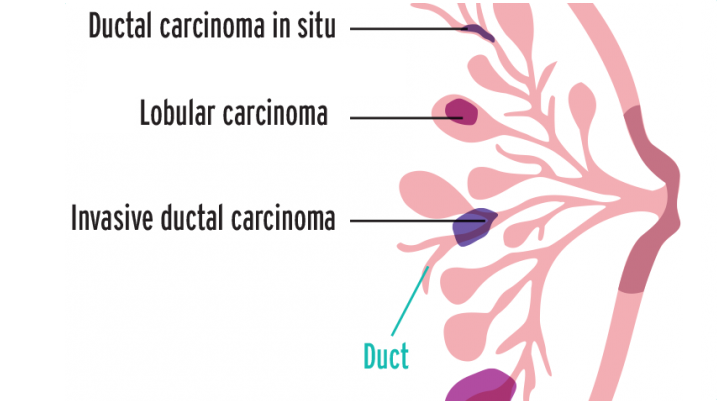
Usually, breast cancer begins in the milk-producing glands called lobules or the ducts that carry milk to the nipple. Sometimes, it starts in the fatty and fibrous tissue of the breast.
Both women and men can get breast cancer, but it’s much more common in women. It’s a leading cause of cancer deaths among women worldwide, though mortality rates have been decreasing thanks to better awareness, regular screenings, and advanced treatments.
What are the different types of Breast Cancer?
The type of breast cancer depends on which part of the breast the cancer originated. This could be the milk ducts, the milk-producing lobules, the connective tissues etc.
Oncologists determine cancer types and subtypes so they can tailor treatment to be as effective as possible with the fewest possible side effects.
Common types of breast cancer include:
Breast cancer subtypes:
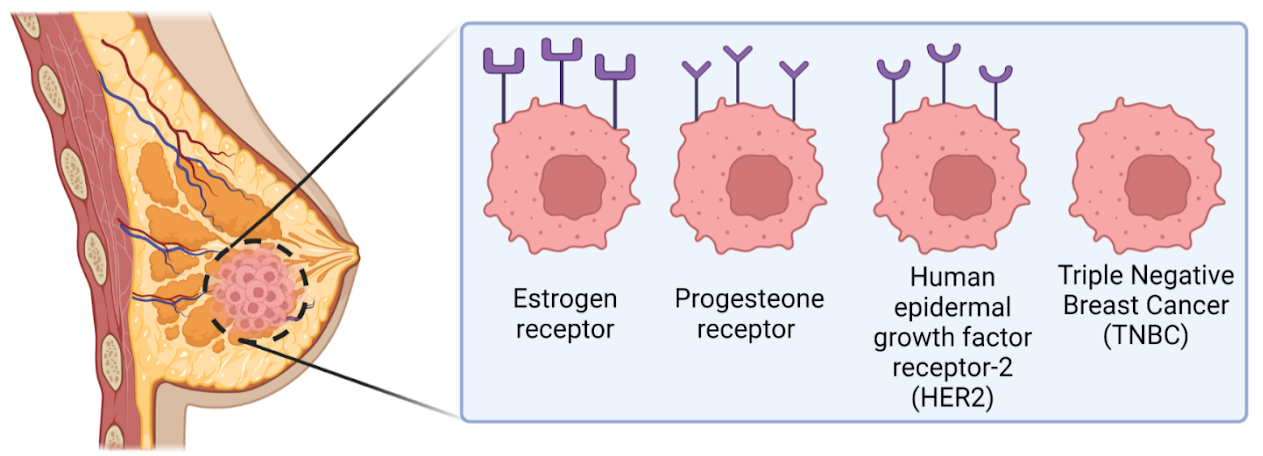
Oncologists classify breast cancer subtypes by receptor cell status. Receptors are protein molecules in or on cells’ surfaces. They can attract or attach to certain substances in the blood, including hormones like estrogen and progesterone.
Estrogen and progesterone help cancerous cells to grow. Finding out if cancerous cells have estrogen or progesterone receptors helps Oncologists plan breast cancer treatment.
Subtypes include:
How do I know if I have breast cancer?
Breast cancer is one of the most common types of cancer affecting women worldwide. While it can also occur in men, it predominantly affects women. Early detection is key to successful treatment and improved outcomes. Understanding the signs and symptoms of breast cancer is crucial for timely diagnosis and intervention.
Following ae common signs and symptoms of breast cancer. Recognizing these potential warning signs can help to seek medical attention promptly.
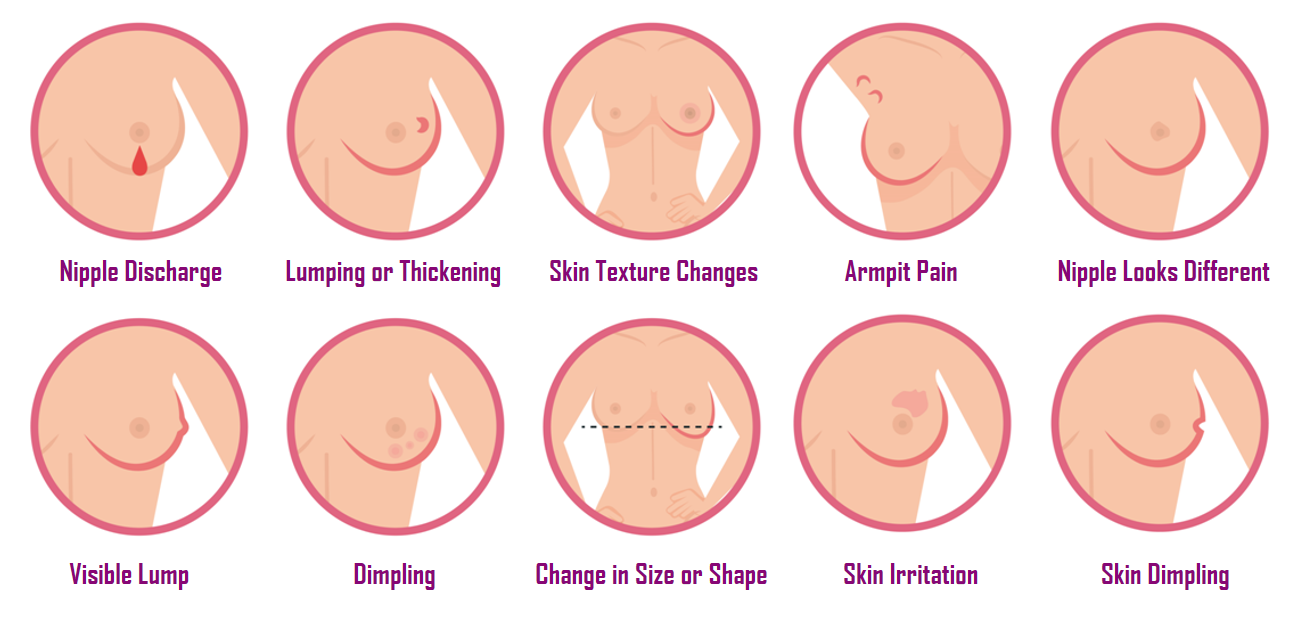
It’s important to remember that experiencing one or more of these symptoms does not necessarily mean you have breast cancer. Many breast changes are benign (non-cancerous). However, if you notice any of these signs or symptoms, it’s essential to see a doctor for further evaluation.
Regular breast self-exams, clinical breast exams by healthcare providers, and screening mammograms are important for early detection and prevention of breast cancer.
If you have concerns about your breast health or notice any changes, don’t hesitate to seek medical attention. Early detection and treatment can significantly improve outcomes.
What factors contribute to the development of breast cancer?
Breast cancer can develop due to a combination of Genetic, Hormonal, Environmental, and Lifestyle Factors. While the exact cause of breast cancer is often unclear, several known risk factors can increase a person’s likelihood of developing the disease.
Here are some common causes and risk factors associated with breast cancer:
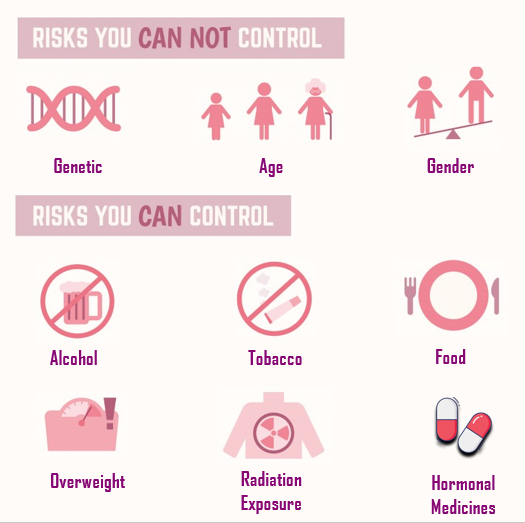
It’s important to note that having one or more risk factors does not necessarily mean that a person will develop breast cancer. Conversely, some individuals with no known risk factors may still develop the disease. Additionally, many cases of breast cancer occur in individuals with no family history of the disease. Regular screenings, early detection, and lifestyle modifications can help reduce the risk of breast cancer and improve overall breast health.
How is breast cancer diagnosed?
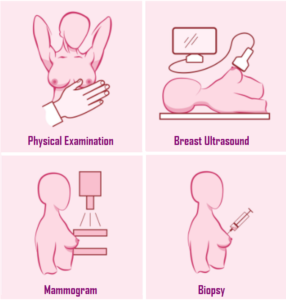
Diagnosing breast cancer typically involves a combination of medical history evaluation, physical examination, imaging tests, and tissue sampling (biopsy)
What are the stages of breast cancer?
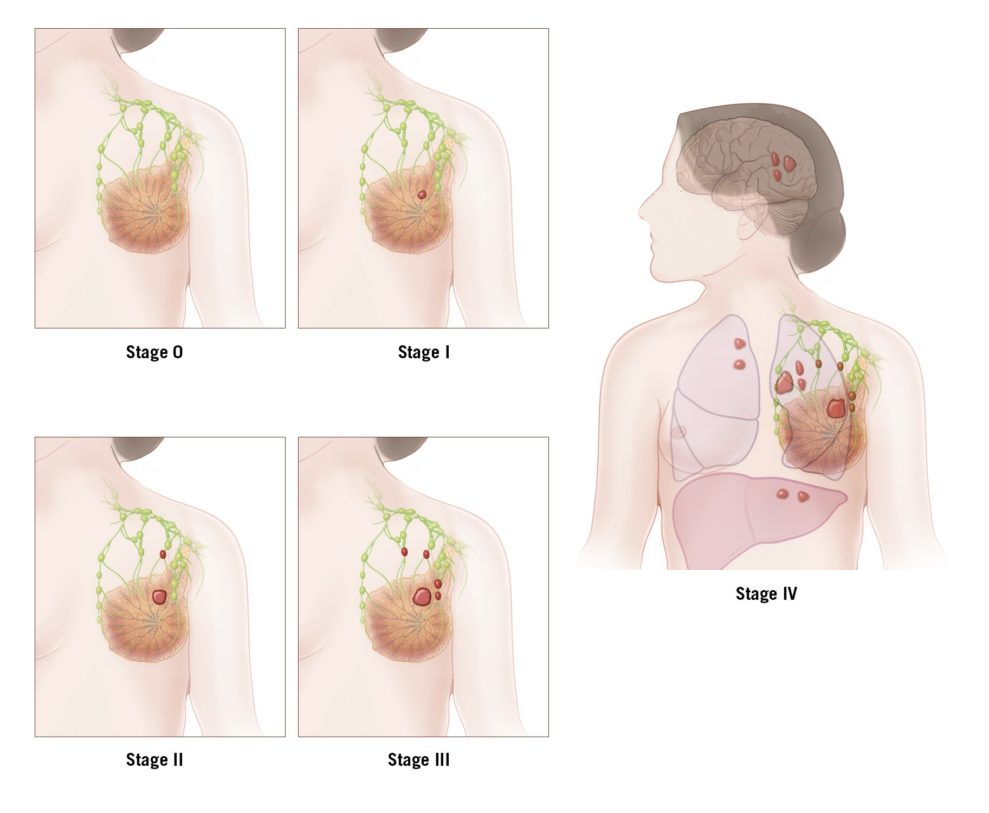
Breast cancer staging helps determine the extent of the disease, guiding treatment decisions and predicting prognosis. Staging helps oncologists determine appropriate treatment plans, which may include surgery, chemotherapy, radiation therapy, hormone therapy, targeted therapy, or a combination of these approaches, tailored to the individual patient’s needs and disease characteristics.
TNM Staging: One of the most common ways of staging cancer is called the TNM system.
The stages of breast cancer are typically categorized into the following:
How is breast cancer treated?
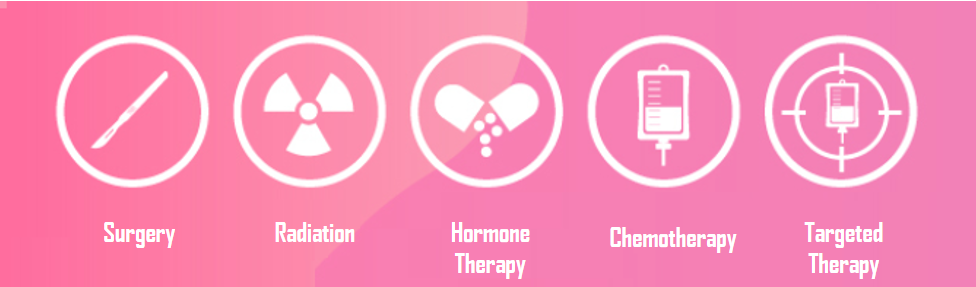
Breast cancer treatment is a comprehensive journey, encompassing surgery, adjuvant therapies, and emerging treatments tailored to each patient’s needs. Advances in medical science continue to expand treatment options and improve outcomes, offering hope and healing to individuals affected by breast cancer. Common modalities used in breast cancer treatment are –
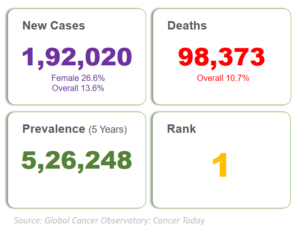
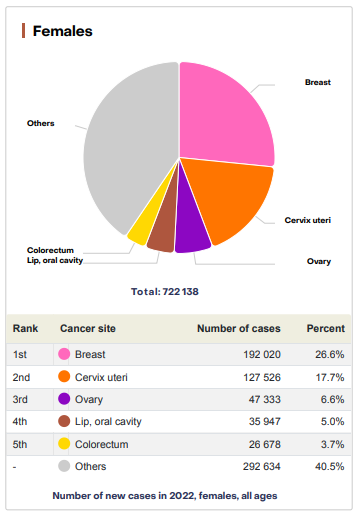
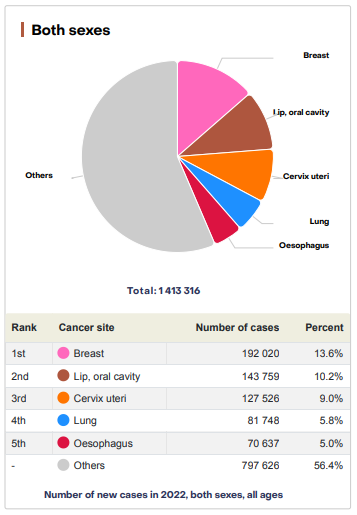
Breast cancer is the most common cancer among Indian women. The incidence of breast cancer in India has been steadily rising over the past few decades.
Statistics of Breast Cancer in India in year 2022 at a glance:
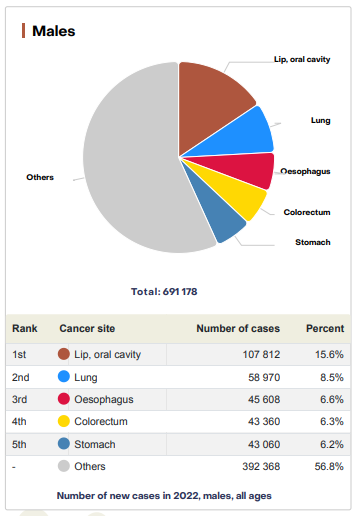
Top 5 Most Frequent Cancers In India (Year 2022):
What is Breast Cancer?


Consult with our expert surgeon for more than 50+ diseases
Next Steps: