

Cancer is a disease characterized by the uncontrolled growth and spread of abnormal cells in the body. Ovarian cancer specifically refers to cancer that forms in the cells of the Ovaries. To understand Ovarian cancer better, let’s first understand the basic structure of the Ovary.
How Ovary is structured?
The cervix is the lower part of the uterus (womb) that connects the uterus to the vagina. It has a cylindrical shape and is composed of several layers of tissue.
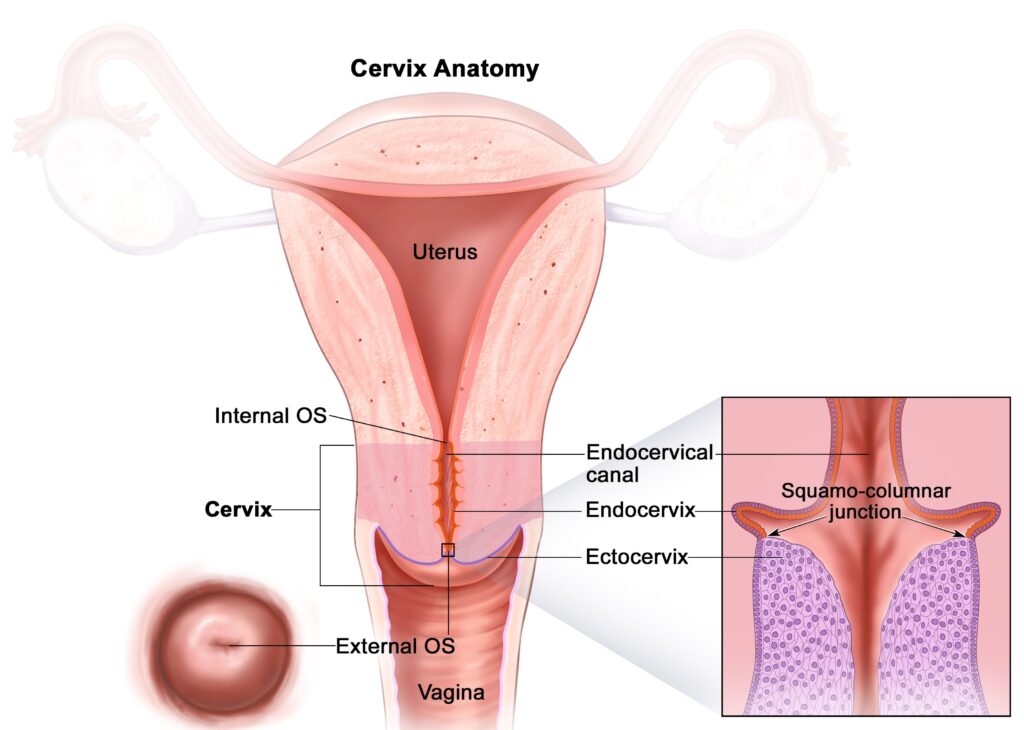
The cervix plays several important roles in the female reproductive system, including providing structural support to the uterus, producing mucus to facilitate sperm transport, and serving as a barrier to protect the uterus from infections.
Additionally, the cervix undergoes changes throughout the menstrual cycle and pregnancy, influenced by hormones such as estrogen and progesterone.
A Cervix is made up of:
What is Cervical Cancer?
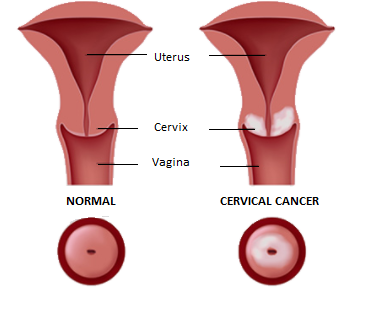
Cervical cancer specifically refers to cancer that forms in the cells of the Cervix. Cervical cancer usually develops slowly over time. Before cancer appears in the cervix, the cells of the cervix go through changes known as dysplasia, in which abnormal cells begin to appear in the cervical tissue.
Over time, if not destroyed or removed, the abnormal cells may become cancer cells and start to grow and spread more deeply into the cervix and to surrounding areas.
What are the different types of Cervical Cancer?
Cervical cancer is primarily classified based on the type of cells from which it originates.
The two main types of cervical cancer are:
Apart from these main types, there are several subtypes of cervical cancer, which are primarily determined by the presence of specific genetic mutations or the presence of the human papillomavirus (HPV), which is a known risk factor for cervical cancer. Some common subtypes include:
It’s important to note that cervical cancer subtypes may have different prognoses and responses to treatment, so accurate diagnosis and classification are crucial for determining the most appropriate treatment approach. Additionally, screening tests such as Pap smears and HPV testing can help detect cervical cancer at early stages when it’s more treatable.
How do I know if I have cervical cancer?
Cervical cancer is a significant public health concern in India, where it ranks as one of the leading causes of cancer-related deaths among women. Early detection is key to successful treatment and improved outcomes. Understanding the signs and symptoms of cervical cancer is crucial for timely diagnosis and intervention.
Following ae common signs and symptoms of cervical cancer. Recognizing these potential warning signs can help to seek medical attention promptly.
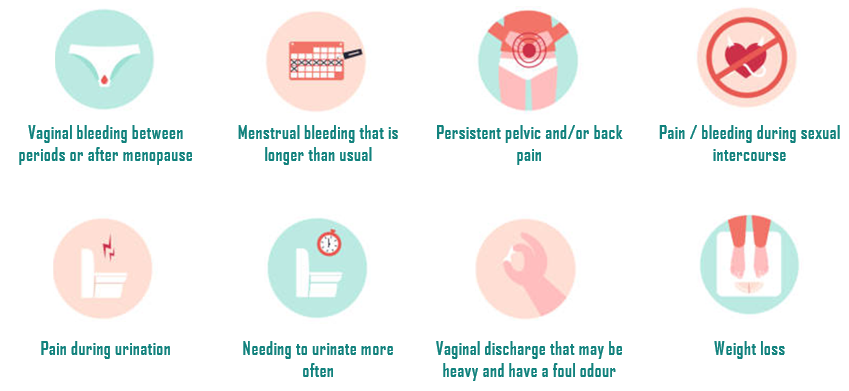
It’s important to note that many of these symptoms can also be caused by conditions other than cervical cancer, such as infections or benign (non-cancerous) growths. However, if you experience any of these symptoms, especially if they persist for more than a few weeks, it’s essential to see a doctor for evaluation and further testing.
Screening tests such as Pap smears and HPV testing are also important for early detection of cervical cancer, even in the absence of symptoms. Regular cervical cancer screening can help detect precancerous changes or early-stage cancer when it’s most treatable.
HPV vaccination is also a critical tool in preventing cervical cancer and other HPV-related diseases.
What factors contribute to the development of cervical cancer?
Several factors contribute to the development of cervical cancer are:
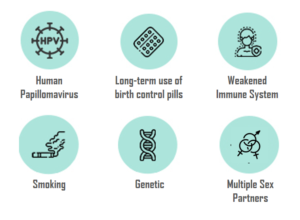
It’s important to note that having one or more risk factors does not necessarily mean that a person will develop cervical cancer. Conversely, some individuals with no known risk factors may still develop the disease. Additionally, many cases of cervical cancer occur in individuals with no family history of the disease. Regular screenings, early detection, and lifestyle modifications can help reduce the risk of cervical cancer.
How is cervical cancer diagnosed?
Cervical cancer is diagnosed through a combination of screening tests, clinical evaluation, and diagnostic procedures.
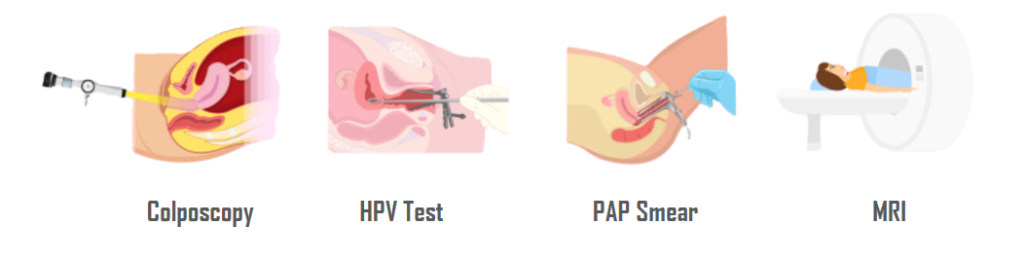
Once a diagnosis of cervical cancer is confirmed, further tests may be performed to determine the stage of the cancer and plan appropriate treatment.
Early detection and prompt treatment are key to improving outcomes for women diagnosed with cervical cancer. Regular cervical cancer screening and vaccination against HPV are essential for preventing the development of cervical cancer or detecting it at an early, more treatable stage.
What are the stages of cervical cancer?
Cervical cancer staging is a system used to describe the extent of the cancer and guide treatment decisions. The stages of cervical cancer are typically classified using the FIGO (International Federation of Gynecology and Obstetrics) staging system, which takes into account the size of the tumor, its spread to nearby tissues or lymph nodes, and whether it has metastasized (spread) to distant organs.
The stages of cervical cancer are as follows:
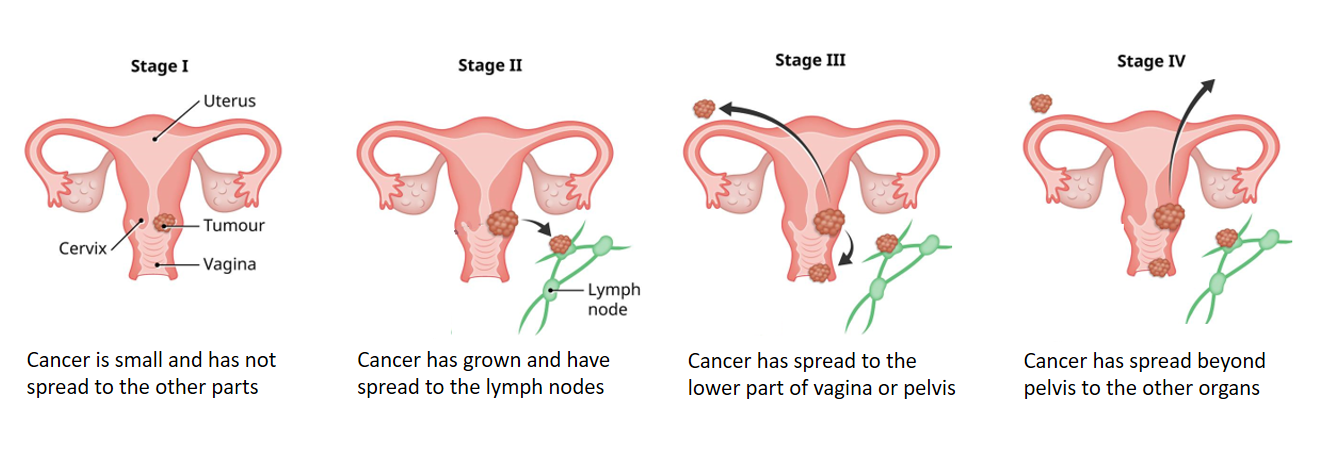
The stage of cervical cancer is determined based on imaging tests, physical examination, biopsy results, and other diagnostic procedures.
Staging helps oncologists plan appropriate treatment strategies and predict the prognosis (outcome) for patients with cervical cancer.
How is cervical cancer treated?
Cervical cancer treatment depends on several factors, including the stage of the cancer, the patient’s overall health, and their preferences. Treatment for cervical cancer may involve one or more of the following approaches:
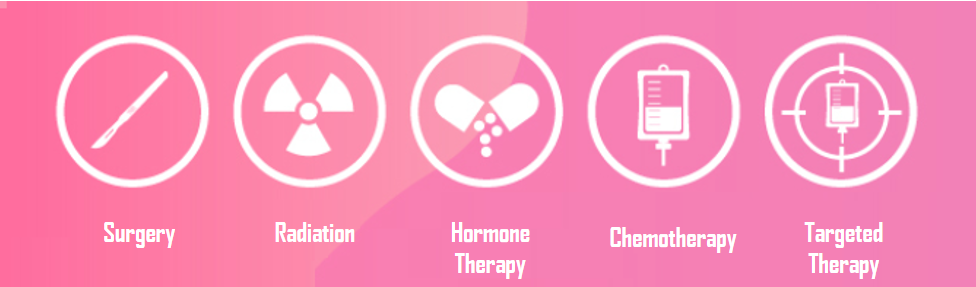
The choice of treatment for cervical cancer is individualized based on the specific characteristics of the cancer and the patient’s preferences.
Multidisciplinary teams of healthcare providers, including gynecologic oncologists, radiation oncologists, medical oncologists, and other specialists, collaborate to develop personalized treatment plans that optimize outcomes for patients with cervical cancer.
Early detection, timely treatment, and ongoing surveillance are key to improving survival and quality of life for individuals affected by cervical cancer.
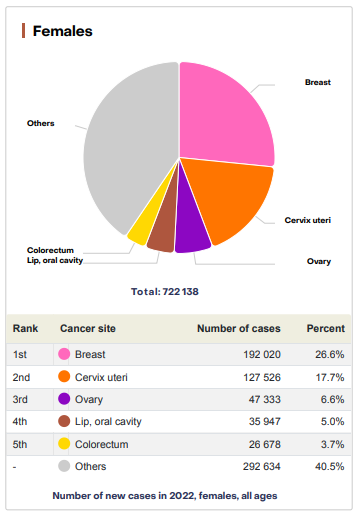
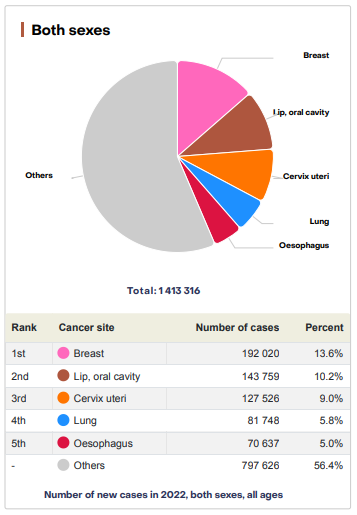
The incidence of Cervical cancer in India has been steadily rising over the past few decades.
Statistics of Cervix Uteri Cancer in India in year 2022 at a glance:
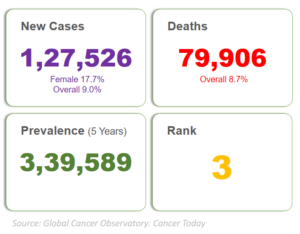
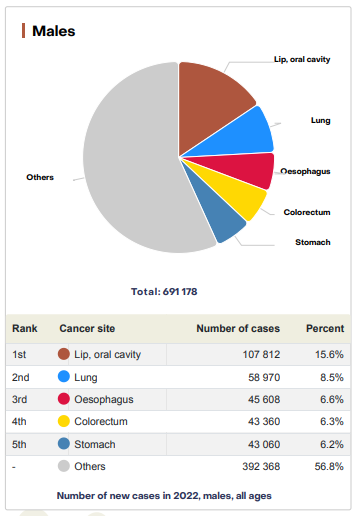
Top 5 Most Frequent Cancers In India (Year 2022):

Consult with our expert surgeon for more than 50+ diseases
Next Steps:
